
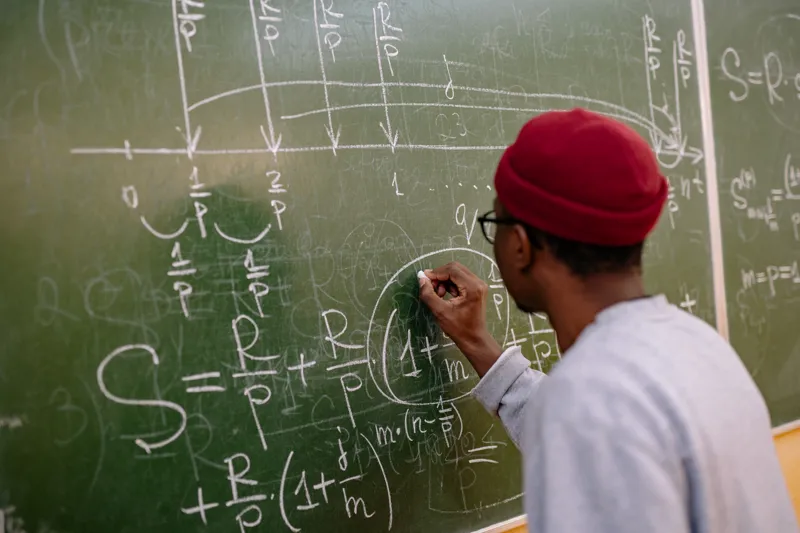
Can I Study Physics Without Maths?
Physics is a fascinating field of science that explores the fundamental laws of nature and how they interact with the physical world. It is a subject that is often studied alongside mathematics, as the two disciplines are closely related. But can one study physics without maths?
Physics is the study of the fundamental laws of nature. It is a branch of science that deals with the behavior of matter and energy and the relationships between them. It is a broad subject that encompasses a wide range of topics, such as mechanics, thermodynamics, electromagnetism, and quantum mechanics.
Maths is the study of numbers, shapes, and patterns. It is a language used to describe and understand the physical world. It is used to analyse data and solve problems. Maths is an essential tool for understanding physics, as it provides the language for describing the physical world.
Yes, maths is essential for understanding physics. Physics is a mathematical science, and without maths, it would be impossible to understand the fundamental laws of nature. Maths is used to analyse data and solve problems, and it provides the language for describing the physical world.
Although maths is essential for understanding physics, it is possible to study physics without maths. There are a number of books, websites, and courses that are designed to teach physics without the use of maths. These resources are often aimed at students who do not have a strong background in maths, and they focus on the concepts and principles of physics without relying on mathematical equations.
It is possible to study physics without maths, but it is not recommended. Maths is an essential tool for understanding physics, and without it, it would be impossible to understand the fundamental laws of nature. However, there are resources available that can help students who do not have a strong background in maths to learn the concepts and principles of physics.
Introduction
Physics is a fascinating field of study that has shaped the modern world. It is the science of understanding how the universe works, from the smallest particles to the largest galaxies. Physics is a fundamental part of our everyday lives, from the electricity that powers our homes to the motion of the planets in the sky. From the ancient Greeks to the modern day, physicists have been exploring the mysteries of the universe.
But to understand the laws of the universe, you need to understand mathematics. Maths is the language of physics, and it is essential to be able to understand the equations and theories that are used to explain the physical world. So, can you study physics without maths?
The answer is yes, but it is not easy. Physics is a complex subject and requires a deep understanding of the underlying principles. Without the mathematical tools to analyse and interpret the data, it is difficult to make sense of the physical world. However, it is possible to gain a basic understanding of physics without maths, by studying the concepts and principles of the subject. In this article, we will discuss what physics is, what maths is and how to study physics without maths.
What is Physics?
Physics is a branch of science that studies the behavior of matter and energy in the universe. It is a fundamental science that has been around for centuries, and its principles are used in many other scientific disciplines. Physics is the study of the physical world, from the smallest particles to the largest galaxies. It is the study of how the universe works, from the forces that shape it to the laws that govern it.
At its core, physics is the study of how matter and energy interact. It looks at the properties of matter and energy, such as mass, momentum, and force. It also studies the behavior of particles and waves, and the interactions between them. Physics also investigates the forces that act on matter, such as gravity, electromagnetism, and the strong and weak nuclear forces.
In addition to studying the behavior of matter and energy, physics also looks at the behavior of space and time. It studies the structure of the universe, from the smallest particles to the largest galaxies. It looks at the properties of space and time, such as curvature and relativity. It also investigates the behavior of light, from its speed to its behavior in different mediums.
Physics is a very broad field, and its applications are found in many areas of science and engineering. It is used to understand the behavior of particles, the structure of matter, the behavior of light, and the behavior of the universe. It is also used to develop new technologies, such as lasers and computers.
Physics is a fascinating field of study, and it can be used to understand many aspects of the world around us. It is a powerful tool for understanding the physical world, and it can be used to develop new technologies and solve problems.
What is Maths?
Maths is the language of science, and it is a fundamental tool used to understand the physical world. It is a universal language, used to describe the relationships between objects, quantities, and events. Maths is used to explain the laws of nature, to measure and calculate distances, to calculate the probability of events, and to make predictions and models.
Maths is a powerful tool for problem-solving, and it is used in many fields, including engineering, finance, and computer science. Maths is also used to solve problems in physics, such as calculating the trajectory of a projectile or the force of gravity between two objects.
At its core, maths is the study of patterns and relationships between numbers and shapes. It is used to describe the properties of objects, and to explain the relationships between them. Maths is also used to measure and calculate distances, velocities, and other physical quantities.
Maths is a subject that requires a lot of practice and dedication. It is not a subject that can be learned in a day, and it requires a lot of time and effort to master. To understand maths, students need to learn the basic principles, such as algebra, geometry, trigonometry, and calculus. They must also learn to think logically and to apply their knowledge to solve problems.
Maths is an important part of physics, as it is used to explain the laws of nature and to make predictions and models. Without maths, it would be impossible to understand the physical world. Maths is also used to calculate the probability of events, to measure distances, and to calculate the force of gravity between two objects.
Maths is a powerful tool for problem-solving, and it is used in many fields, including engineering, finance, and computer science. Maths is also used to solve problems in physics, such as calculating the trajectory of a projectile or the force of gravity between two objects. It is an essential tool for understanding the physical world, and it is an important part of physics.
Is Maths Necessary for Physics?
When it comes to studying physics, the question of whether math is necessary or not is often raised. Physics is a branch of science that deals with the study of matter, energy, and the interactions between them. Math, on the other hand, is a tool used to help us understand and interpret the physical world. While it is true that math is a powerful tool for understanding physics, it is not always necessary.
The fact is that mathematics is an essential part of physics, but it is not the only way to understand the physical world. Physics is a highly interdisciplinary subject, and it can be studied from many different perspectives. For example, some physicists rely heavily on mathematics to explain physical phenomena, while others focus on the more qualitative aspects of the subject.
In order to understand the physical world, one must be able to interpret and make sense of the data that is collected. This is where mathematics comes in. Math is a powerful tool for understanding the physical world, as it allows us to make predictions and draw conclusions from data. However, it is not the only tool available.
There are other ways to understand physics without relying heavily on mathematics. For instance, some physicists use qualitative methods such as observation and experimentation to gain a better understanding of physical phenomena. Others may use a combination of mathematics and qualitative methods to explain physical phenomena.
In addition, some physicists may be able to understand physics without relying on mathematics at all. This can be done by relying on intuition and experience, as well as by studying the history of physics and how it has evolved over time.
Ultimately, the answer to the question “Is maths necessary for physics?” depends on the individual. Some physicists may find that math is an essential part of their studies, while others may find that it is not necessary. It is up to each individual to decide which approach is best for them.
How to Study Physics Without Maths
.
Studying physics without maths is a difficult but not impossible task. Physics is the study of matter and energy and their interactions, while mathematics is the language used to describe and explain these phenomena. While mathematics is a vital tool for understanding the physical world, it is possible to gain an understanding of physics without it.
What is Physics?
Physics is the study of matter and energy and their interactions. It is a broad field that encompasses a wide range of topics, including mechanics, thermodynamics, electromagnetism, quantum mechanics, and relativity. Physics is used to explain the behavior of the universe and the objects within it, from the smallest particles to the largest galaxies.
What is Maths?
Mathematics is a language used to describe and explain physical phenomena. It is used to describe the relationships between physical quantities, such as distance, time, and force. It is also used to calculate the values of these quantities and to solve problems related to them. Mathematics is essential for understanding the behavior of physical systems, as it allows us to make predictions and draw conclusions.
Is Maths Necessary for Physics?
Mathematics is a vital tool for understanding the physical world, but it is not essential for studying physics. It is possible to gain an understanding of physics without mathematics, although this understanding may be limited. For example, one can learn about the basic principles of mechanics without using mathematics, such as Newton’s laws of motion. However, mathematics is necessary for a deeper understanding of physics, as it allows us to make predictions and draw conclusions.
How to Study Physics Without Maths
Studying physics without mathematics is possible, although it may be more difficult than studying with it. Here are some tips for studying physics without mathematics:
• Read books on physics. There are many books available on the subject that can provide an understanding of the basic principles of physics without the use of mathematics.
• Take classes in physics. Many universities and colleges offer courses in physics that do not require the use of mathematics.
• Watch videos. There are many videos online that explain the basics of physics without the use of mathematics.
• Experiment. Experimenting with physical systems is a great way to gain an understanding of physics without the use of mathematics.
Conclusion
It is possible to study physics without mathematics, although it may be more difficult than studying with it. Those who wish to study physics without mathematics can do so by reading books, taking classes, watching videos, and experimenting with physical systems. While mathematics is essential for a deeper understanding of physics, it is not necessary for a basic understanding of the subject.
Conclusion
In conclusion, it is possible to study physics without maths, although it is not the ideal approach. Maths is a fundamental tool in physics, and without it, understanding the subject can be difficult. However, if you are willing to put in the extra effort, there are ways to learn physics without relying on maths. You can use visual aids such as diagrams and videos to help you understand concepts, and you can also use real-world examples to help you understand the concepts. With the right attitude and effort, it is possible to learn physics without maths.